About
Resources
Product
About
Resource

Historically, shipbuilding has been defined by both global influences (trade routes and the requirements of the energy market) and local interests (government regulation and technology). As we enter the year 2026, the speed of change is accelerating even more drastically due in part to increasing environmental pressure for sustainability, new ways of innovating through technology, changing safety regulations, new materials, and processes that allow for the use of technology to facilitate design, build and maintain vessels.
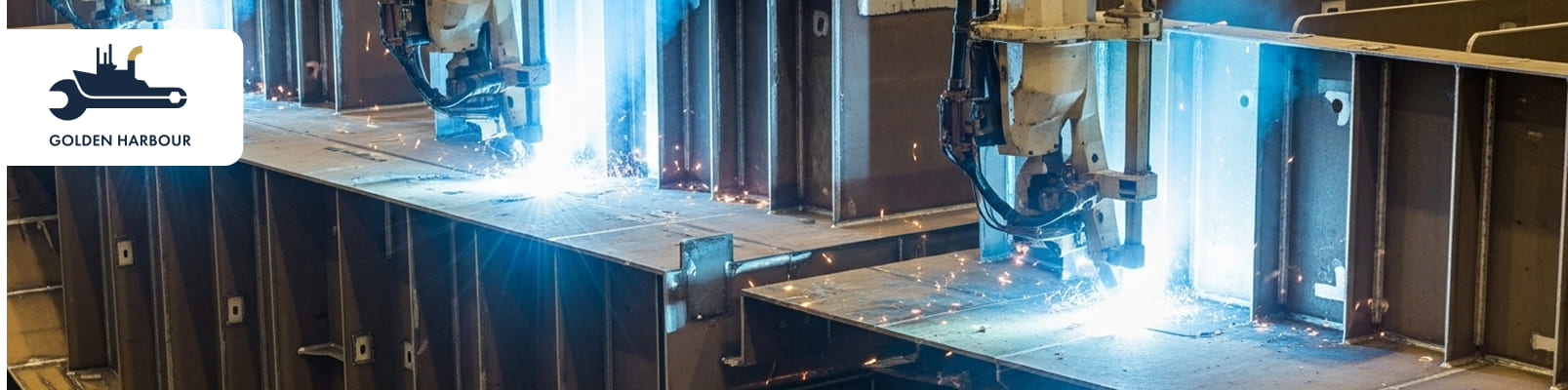
As an example, vessels that were once designed and built with significant amounts of labour using traditional materials (wood, steel, etc.) are now being produced using advanced automation technologies, analytics and digital design tools. Likewise, vessel maintenance is evolving to safer and more efficient maintenance processes that are being supported by improved information sharing between manufacturers, operators and service providers.
Shipbuilding is being transformed from a construction job site to a smart manufacturing ecosystem. This blog will outline some of the most important trends that will affect the future of shipbuilding and provide information on how these trends are making the future of maritime functions across the world.
Navigating a complex environment is what the global shipbuilding industry faces today. The shipbuilding industry must now respond to an increase in fuel prices, the tightening of emissions regulations and the need to provide greater efficiencies, all of which will create challenges for new ships.
The future of growth for the shipbuilding industry in 2026 and beyond will not only be determined by the number of vessels built but also by the overall quality of the designs, compliance with increased environmental regulations, and the ability to successfully incorporate new advanced technology systems. This means that shipbuilders must also be in connection with both industrial equipment suppliers and industrial supply companies to get the newest technology components that help in building futuristic vessels.
Now that sustainability has become a fundamental component of ship design and construction rather than just being an option shipbuilders continually look for ways to develop eco-friendly practices. For example:
Further, through the application of new manufacturing techniques and processes such as encapsulating and re-using industrial by-products to engineer shipbuilding steel, shipbuilding steel plate and advanced shipbuilding steel plates that have greater strength but less weight. Additionally, many components of ships including marine pumps and propulsion units are undergoing re-designs to consume less energy while achieving greater efficiency.
Read More: Brass Bars in Marine Engineering: Why They Are the Trusted Choice
While all this has been accomplished, much of sustainable shipbuilding relies on responsible sourcing of industrial supply products to ensure that the materials and components come from suppliers that meet environmental and ethical standards.
Shipyards are being converted to high-accuracy manufacturing facilities through automation. In 2026, automated cut systems, robotic welders, and artificial intelligence-based systems for material handling will be mainstream in shipbuilding yards.
Automation helps reduce the shortage of skilled workers and allows shipbuilders to keep producing without looking at the changes in the workforce. Robotics depends on an advanced tool and industrial supplies, sensors and advanced machinery.
Modern Shipbuilding is changing the world through new technologies in shipbuilding materials. While steel is still the foundation of the shipbuilding industry, there are new materials being developed:
With the use of innovative materials such as marine stainless steel, marine aluminium, and composites, shipbuilders are designing and developing ships that perform and last longer, are cheaper to operate, and function better in very harsh maritime environments. The benefits of using advanced materials are particularly pronounced for vessels operating in very harsh or extreme environments such as offshore oil and gas drilling sites, extremely long-distance cargo transport vessels, and ships exposed to severe weather.
Shipbuilding's future will be heavily impacted by the Digital Transformation, a major trend transforming many industries. In order to successfully navigate these changes, a Smart Shipyard must incorporate the following four technologies:
By using these technologies, the Shipbuilding Industry has the ability to test designs through virtual simulations, identify potential design flaws, and streamline all aspects of the construction process. Additionally, on utilising these technologies, the coordination of all pipe manufacturers, industrial equipment suppliers and >marine supplies will improve, leading to fewer problems during project performance.
Modern ships are more than standalone systems; they are intricate and complex assemblies of multiple systems working together.
With these innovations, marine engine parts, diesel marine systems, and marine safety equipment are being redesigned to comply with higher efficiency, higher safety, and more reliable operational requirements. Having these innovations reduces vessel operational downtime and improves overall system reliability for the maritime industry.
In 2026, the demand for modular shipbuilding is quickly increasing. Instead of building ships at only one location, shipbuilders can make parts of the ship in an off-site location, and then set up those parts when they reach the shipyard. This process:
The modular design of ships enables them to be utilized for many different functions throughout their lives. As modular shipbuilding becomes more popular, there is an increased demand for shipbuilding industry products, ship spare parts, and marine accessories that can be easily replaced or updated in the shipbuilding industry.
Shipbuilding safety is still an important focus area for shipping companies due to increased technological development in the industry. For example, there are many international regulations that will become stricter starting in 2026, including these focus areas:
As a result of these regulations certified marine safety equipment, marine hooks, marine door hinges, etc. are expected to increase in demand over the next few years as operators, regulators, and end users want to keep a check on compliance with regulatory requirements. Compliance with regulatory requirements is no longer just about finishing minimum standards; it is now about building confidence and trust among operators, regulators, and end users.
There are many emerging trends currently influencing demand in the shipbuilding marketplace:
To fulfill these new requirements, shipyards have begun placing an increased reliance upon consistent sources of supply for industrial equipment supplies and marine products as well as marine spare parts that are critical to providing for long-term performance. As a result, supply chain reliability has become equally as important as design innovation.
Firms that are dealing in marine, offshore, oil and gas and onshore supply such as Golden Harbour Services will be able to fill the gap between shipyards and operators, providing a full range of marine equipment and industrial supply products, and all components needed throughout the entire lifecycle of a vessel.
Transformational is the word that describes the direction of shipbuilding in 2026. At this point in time, Sustainability, Automation/Digitalisation, Advanced Materials etc. are not only an emerging concept but will be an operational necessity for Shipbuilding towards the future. Shipyards that are accepting these current trends and implementing them into their operations would provide themselves with a better position to stay on top of regulatory trends, efficiently operate and compete against their competitors in the continually changing maritime arena.
As the vessels themselves become more intelligent, complicated and complex, so does the need for a reliable supplier who can honestly supply the most reliable and highest quality products available for their shipbuilding companies. With our certifications in place, Golden Harbour continues to support the marine supply chain through its comprehensive portfolio of marine supplies, shipbuilding equipment, and integrated solutions, while consistently supporting the shipbuilding industry as it evolves toward a strong and successful future.